
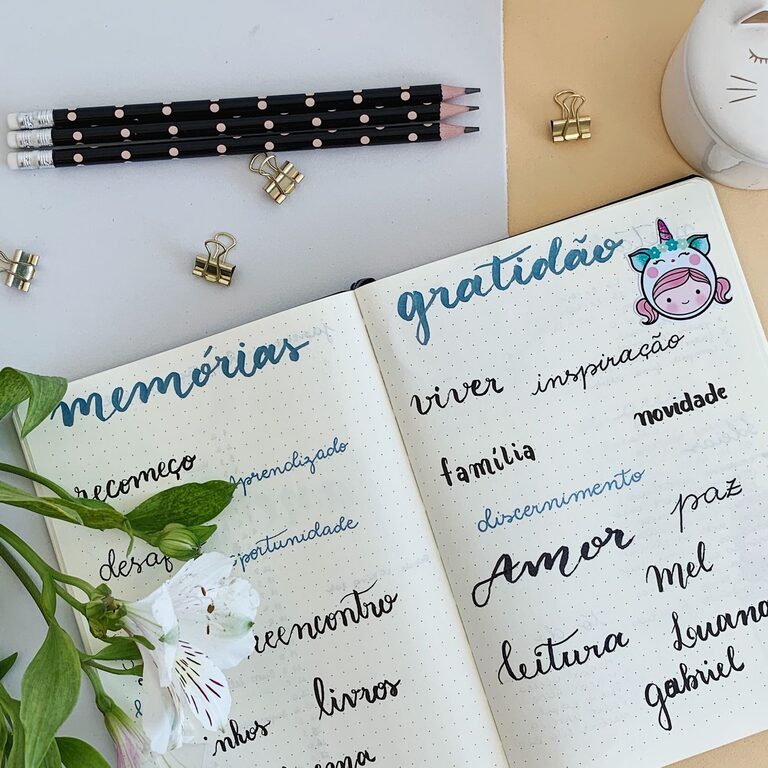
Keeping a gratitude journal is an easy and effective way to focus on the positive aspects of your life. Whether you’re new to journaling or looking to bring more mindfulness into your daily routine, a gratitude journal can help you develop a habit of appreciation that enhances your overall happiness.
In this post, we’ll guide you through how to start a gratitude journal, share tips to keep it going, and explain some of the benefits you can expect along the way.
What is a Gratitude Journal?
A gratitude journal is a personal notebook or digital document where you regularly write down things you are thankful for. This simple practice encourages you to notice the good moments, big or small, rather than focusing on stress or setbacks.
Why Start a Gratitude Journal?
Research suggests that cultivating gratitude can improve mental health, reduce stress, and increase feelings of happiness. Writing down what you appreciate can shift your mindset and help you:
– Develop a positive outlook
– Improve relationships
– Boost self-esteem
– Sleep better
– Increase resilience
Getting Started: What You Need
You don’t need anything complicated to start a gratitude journal. Here’s what to consider:
– Journal or notebook: Choose a physical notebook you like or use a digital app or document. The key is consistency.
– Pen or device: For handwritten journals, pick a pen you enjoy using. For digital, your phone or computer works fine.
– Time: Set aside a few minutes each day to write—morning or evening often works well.
How to Start Your Gratitude Journal
1. Choose Your Method
Decide whether you prefer writing by hand or typing on a device. Some people find writing by hand more personal and reflective, while digital options can be more convenient and portable.
2. Set a Routine
Consistency helps build the habit. Try to journal at the same time each day. Many find morning journaling helps set a positive tone, while journaling before bed can improve sleep.
3. Keep It Simple
Start with writing down 3 to 5 things you are grateful for each day. These can be anything—big or small. For example:
– A delicious cup of coffee
– A kind gesture from a friend
– A sunny day
– Having a comfortable home
4. Be Specific
Rather than vague statements like “I’m grateful for my family,” try to be detailed. For example, “I’m grateful for the fun conversation I had with my sister today.”
5. Use Prompts When Needed
If you feel stuck, prompts can help you think deeper. Examples include:
– What made me smile today?
– Who in my life am I thankful for and why?
– What is something about myself I appreciate?
– What is a simple pleasure I enjoyed recently?
6. Include Positive Experiences and Lessons
Gratitude isn’t only about good events. Sometimes, challenging moments teach valuable lessons. You can write about what you learned or how difficulties helped you grow.
7. Reflect and Review
Periodically read through past entries. This reminder of positive experiences can boost your mood and motivation to continue.
Tips for Maintaining Your Gratitude Journal
– Keep it accessible: Store your journal where you’ll see it daily.
– Make it enjoyable: Use colorful pens, stickers, or include drawings.
– Don’t pressure yourself: If you miss a day, just pick up again without guilt.
– Share if comfortable: Some find sharing gratitude with friends or family encourages continued practice.
– Mix formats: Occasionally include photos, quotes, or gratitude letters.
Additional Benefits of Gratitude Journaling
Beyond the immediate focus on positivity, gratitude journaling can:
– Enhance mindfulness by encouraging you to live in the present moment
– Promote better emotional regulation and less reactivity
– Support goal-setting by highlighting what truly matters to you
– Improve social connections as gratitude often spills over into appreciation for relationships
Example Entry
Here is a sample gratitude journal entry:
Today I’m grateful for the laughter I shared with my coworker during lunch; it brightened my afternoon. I’m thankful for the warm sunshine on my walk home—it felt refreshing. I appreciate how I stayed calm during a stressful meeting and handled it professionally.
Final Thoughts
Starting a gratitude journal is a simple step to nurture positivity and well-being. It requires just a few minutes daily but can have lasting effects on your outlook and happiness. Remember, the key is to keep it personal and consistent, focusing on sincere feelings of appreciation.
Give it a try today—you might be surprised how quickly gratitude becomes a natural part of your life.