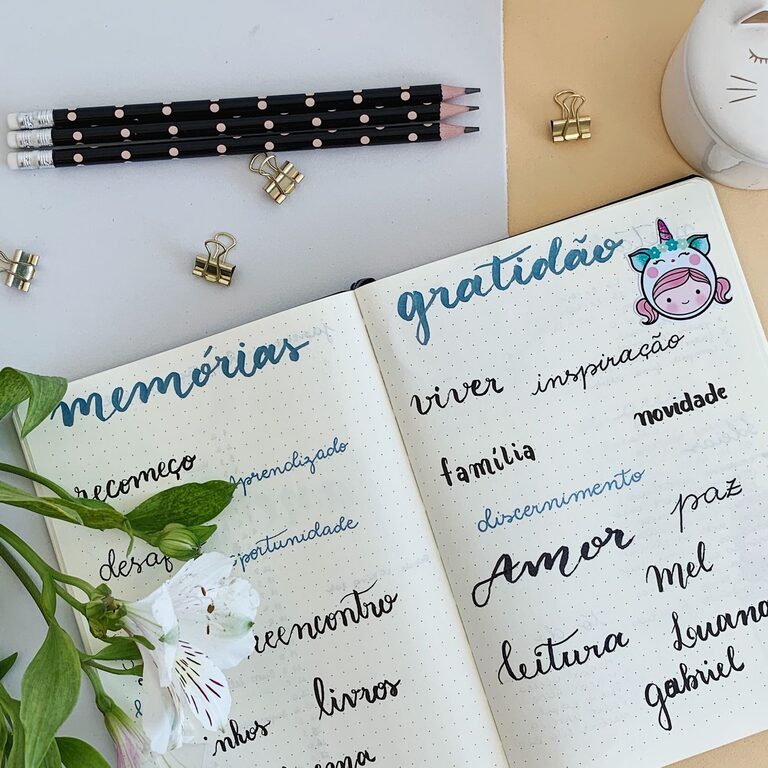

Journaling is more than just putting pen to paper—it’s a powerful tool to gain clarity and improve focus. Whether you’re facing a busy day, complex decisions, or mental clutter, a simple journal practice can help you organize your thoughts and stay centered. In this post, we’ll explore how to journal effectively for clarity and focus with easy-to-follow steps and tips.
Why Journal for Clarity and Focus?
Our minds tend to get overwhelmed by endless to-dos, ideas, and worries. Journaling offers a way to:
– Clear mental clutter by transferring thoughts onto paper
– Gain perspective by reflecting on your emotions and priorities
– Boost focus by prioritizing tasks and intentions
– Support mindfulness through regular self-check-ins
By consistently journaling with intention, you create a space to slow down, process, and realign your energy.
Getting Started: What You Need
Starting a journaling habit doesn’t require special tools. Here’s what you’ll need:
– A notebook or journal that feels inviting
– A pen or pencil you enjoy writing with
– A quiet, comfortable space free from distractions
– Optional: A timer to set a dedicated journaling period
Choosing the right environment and materials can make journaling more enjoyable and easier to stick with.
Step-by-Step Guide to Journaling for Clarity and Focus
1. Set Your Intention
Before you begin, ask yourself:
– What do I want to achieve with this journaling session?
– Do I need to clear my mind, plan my day, or explore my feelings?
Setting a clear intention helps direct your writing and makes the time more purposeful.
2. Start with a Brain Dump
Begin by writing down everything on your mind without judgment. This is your chance to release all thoughts, worries, ideas, and tasks.
– Don’t worry about grammar or structure
– Write continuously for 5-10 minutes
– Let your thoughts flow freely
This exercise helps you transfer mental clutter onto paper, making room for clarity.
3. Reflect and Organize
After your brain dump, take a moment to review what you wrote. Look for:
– Repeated themes or concerns
– Tasks that need attention
– Ideas that spark excitement
You can underline or highlight important points. Then, organize your thoughts by grouping related items or creating simple lists.
4. Prioritize Your Day or Tasks
Turn your organized notes into actionable steps. For example:
– List your top 3 priorities for the day
– Break down a big project into smaller tasks
– Set realistic goals based on your energy levels
Focusing on key priorities helps maintain direction and prevents feeling overwhelmed.
5. Close with Gratitude or Affirmations
Ending your journal entry on a positive note can improve focus and motivation. Consider writing:
– Three things you’re grateful for today
– A personal affirmation or encouraging statement
– A note of appreciation for your efforts
This practice fosters a positive mindset and keeps your journaling habit enjoyable.
Additional Journaling Techniques for Clarity and Focus
Use Prompts
If you’re unsure where to start, prompts can guide your journaling. Try questions like:
– What is occupying most of my mental energy?
– What can I let go of today?
– What is one small step I can take toward my goal?
Prompts provide structure and inspiration, especially on days when your mind feels blank.
Time Your Sessions
Short, consistent journaling sessions—5 to 15 minutes—are more sustainable than lengthy ones. Use a timer to stay focused, and consider journaling at the same time each day to build routine.
Combine with Mindfulness
Before journaling, try a brief breathing exercise or meditation. This helps calm your mind and enhances your ability to focus on writing.
Keep It Private and Judgment-Free
Remember, your journal is your personal space. Avoid self-criticism when writing. The goal is honest reflection, not perfection.
Tips for Maintaining Your Journaling Habit
– Keep your journal accessible so it’s easy to grab
– Experiment with different styles like bullet journaling or free writing
– Be patient; clarity improves over time with regular practice
– Celebrate progress, no matter how small
Consistency is key to experiencing the full benefits of journaling.
Conclusion
Journaling for clarity and focus is a simple yet effective way to manage your mental landscape. With just a few minutes a day, you can clear clutter, set priorities, and cultivate a calm, focused mindset. Whether you’re new to journaling or looking to deepen your practice, these steps and tips can help you harness the power of writing to improve your daily life. Grab a notebook, set your intention, and start discovering the clarity that lies within your words.